
Articles
Discover the latest fitness tips, workout advice, and updates from FIT40 Melton. Our blog is designed to keep you informed and inspired on your fitness journey.

Why Am I Always Hungry When Trying to Lose Weight? (And How to Fix It)
If you’ve ever tried to lose weight and felt like you were hungry all the time…
You’re not broken.
You’re not lacking willpower.
And you’re definitely not the only one.
Because here’s the truth:
Hunger is the number one reason most diets fail.
Not motivation.
Not discipline.
Just constant, frustrating hunger.
If you’re always hungry when trying to lose weight, it’s usually because your meals aren’t keeping you full—especially if you’re not eating enough protein. Increasing protein intake helps control hunger, reduce cravings, and make fat loss easier to stick to.
Let’s break down why this happens — and how to fix it.
Why You Feel Hungry All the Time When Dieting
Most people assume hunger means:
“I just need to eat less and push through it.”
So they:
Cut calories hard
Skip meals
Try to “be good” all day
And for a few days… it works.
Until it doesn’t.
Because your body doesn’t see dieting the way you do.
It sees: “Food is lower than usual — we need to eat more.”
So it responds by:
Increasing hunger
Increasing cravings
Making you think about food constantly
This isn’t a discipline problem.
It’s biology.
And for most people, the missing piece is simple:
Not enough protein.
If you’re not sure how much protein you should actually be eating, start here:
How Much Protein Do You Need to Lose Weight?
Why Most Diets Fail (It’s Not Lack of Willpower)
Ever noticed how dieting follows the same pattern?
You start strong.
You’re motivated.
You’re on track.
Then…
You’re picking at food while cooking
You’re thinking about snacks constantly
You feel drained and over it
Eventually?
You give in.
Not because you’re weak — but because your body is pushing back.
Hunger always wins if you don’t address it properly.
How Protein Helps Reduce Hunger and Cravings
This is where things change.
Instead of fighting hunger…
You can actually control it.
Protein is the most filling macronutrient, and it works in a few key ways:
1. Protein slows digestion
Food stays in your system longer, so you feel full for longer.
2. Protein reduces hunger hormones
It helps lower ghrelin (the hunger hormone) and increase fullness signals.
3. Protein stabilises energy levels
No big crashes. No desperate need for sugar in the afternoon.
The result:
You feel satisfied after meals
You snack less without trying
You stop thinking about food all day
If you’re wondering what foods actually help with this, here’s a simple guide:
Best High-Protein Foods for Weight Loss
Common Reasons You’re Always Hungry When Dieting
This will probably sound familiar.
Low-protein breakfasts
Toast, cereal, coffee…
You’re hungry again within hours.
Light lunches that don’t satisfy
Salads with barely any protein → cravings later.
Skipping meals
Trying to “save calories” → overeating at night.
Low-protein snacks
Snack foods that don’t actually fill you up.
The problem isn’t eating too much.
It’s that your meals aren’t satisfying you.
How to Stop Feeling Hungry When Losing Weight
You don’t need a complicated plan.
Start with this:
Prioritise protein at every meal
Aim for:
20–30g at breakfast
25–35g at lunch
25–35g at dinner
Simple examples:
Breakfast: eggs or Greek yogurt
Lunch: chicken wrap or leftovers
Dinner: meat + carbs + veggies
This alone can dramatically reduce hunger.
A Simple Strategy That Actually Works
If you want something practical:
Add ONE protein-based habit first
Start with:
Protein breakfast
ORProtein snack in the afternoon
That’s it.
Build from there.
Why This Approach Works (When Others Don’t)
Most diets fail because they rely on:
Restriction
Willpower
Perfection
This approach works because it:
Supports your body
Reduces hunger naturally
Makes consistency easier
And consistency is what drives results.
The Bottom Line
If you’re always hungry when trying to lose weight…
It’s not you.
It’s your approach.
Eat more protein
Build meals that actually satisfy you
Stop relying on willpower alone
You’ll feel better, have more control, and finally start seeing progress.
Not Sure How Much Protein You Need?
Read this next:
How Much Protein Do You Need to Lose Weight?
Want Help Making This Simple?
If you’re a busy parent who’s tired of guessing…
That’s exactly what we help with.
Simple structure.
Short workouts.
Real support.
Your journey starts here. Talk to a trainer today: https://fit40.com.au/

Why Am I Always Hungry When Trying to Lose Weight? (And How to Fix It)
If you’ve ever tried to lose weight and felt like you were hungry all the time…
You’re not broken.
You’re not lacking willpower.
And you’re definitely not the only one.
Because here’s the truth:
Hunger is the number one reason most diets fail.
Not motivation.
Not discipline.
Just constant, frustrating hunger.
If you’re always hungry when trying to lose weight, it’s usually because your meals aren’t keeping you full—especially if you’re not eating enough protein. Increasing protein intake helps control hunger, reduce cravings, and make fat loss easier to stick to.
Let’s break down why this happens — and how to fix it.
Why You Feel Hungry All the Time When Dieting
Most people assume hunger means:
“I just need to eat less and push through it.”
So they:
Cut calories hard
Skip meals
Try to “be good” all day
And for a few days… it works.
Until it doesn’t.
Because your body doesn’t see dieting the way you do.
It sees: “Food is lower than usual — we need to eat more.”
So it responds by:
Increasing hunger
Increasing cravings
Making you think about food constantly
This isn’t a discipline problem.
It’s biology.
And for most people, the missing piece is simple:
Not enough protein.
If you’re not sure how much protein you should actually be eating, start here:
How Much Protein Do You Need to Lose Weight?
Why Most Diets Fail (It’s Not Lack of Willpower)
Ever noticed how dieting follows the same pattern?
You start strong.
You’re motivated.
You’re on track.
Then…
You’re picking at food while cooking
You’re thinking about snacks constantly
You feel drained and over it
Eventually?
You give in.
Not because you’re weak — but because your body is pushing back.
Hunger always wins if you don’t address it properly.
How Protein Helps Reduce Hunger and Cravings
This is where things change.
Instead of fighting hunger…
You can actually control it.
Protein is the most filling macronutrient, and it works in a few key ways:
1. Protein slows digestion
Food stays in your system longer, so you feel full for longer.
2. Protein reduces hunger hormones
It helps lower ghrelin (the hunger hormone) and increase fullness signals.
3. Protein stabilises energy levels
No big crashes. No desperate need for sugar in the afternoon.
The result:
You feel satisfied after meals
You snack less without trying
You stop thinking about food all day
If you’re wondering what foods actually help with this, here’s a simple guide:
Best High-Protein Foods for Weight Loss
Common Reasons You’re Always Hungry When Dieting
This will probably sound familiar.
Low-protein breakfasts
Toast, cereal, coffee…
You’re hungry again within hours.
Light lunches that don’t satisfy
Salads with barely any protein → cravings later.
Skipping meals
Trying to “save calories” → overeating at night.
Low-protein snacks
Snack foods that don’t actually fill you up.
The problem isn’t eating too much.
It’s that your meals aren’t satisfying you.
How to Stop Feeling Hungry When Losing Weight
You don’t need a complicated plan.
Start with this:
Prioritise protein at every meal
Aim for:
20–30g at breakfast
25–35g at lunch
25–35g at dinner
Simple examples:
Breakfast: eggs or Greek yogurt
Lunch: chicken wrap or leftovers
Dinner: meat + carbs + veggies
This alone can dramatically reduce hunger.
A Simple Strategy That Actually Works
If you want something practical:
Add ONE protein-based habit first
Start with:
Protein breakfast
ORProtein snack in the afternoon
That’s it.
Build from there.
Why This Approach Works (When Others Don’t)
Most diets fail because they rely on:
Restriction
Willpower
Perfection
This approach works because it:
Supports your body
Reduces hunger naturally
Makes consistency easier
And consistency is what drives results.
The Bottom Line
If you’re always hungry when trying to lose weight…
It’s not you.
It’s your approach.
Eat more protein
Build meals that actually satisfy you
Stop relying on willpower alone
You’ll feel better, have more control, and finally start seeing progress.
Not Sure How Much Protein You Need?
Read this next:
How Much Protein Do You Need to Lose Weight?
Want Help Making This Simple?
If you’re a busy parent who’s tired of guessing…
That’s exactly what we help with.
Simple structure.
Short workouts.
Real support.
Your journey starts here. Talk to a trainer today: https://fit40.com.au/
New to FIT40? Start here..

The most important step for fat loss
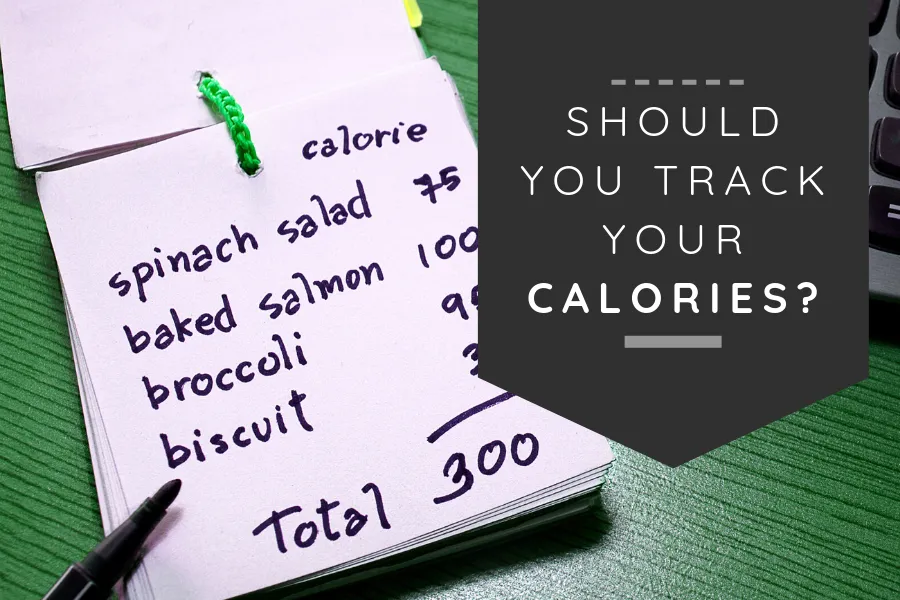
Should you track your calories?

The best exercise for fat loss
KICKSTART
YOUR
FITNESS
RIGHT NOW!
GET YOUR FREE GUIDE NOW
KICKSTART
YOUR
FITNESS
RIGHT NOW!
GET YOUR FREE GUIDE NOW
© FIT40 Melton 2025
Privacy Policy | Terms of Use
Unit 3 - 15 Harrison Court, Melton

© FIT40 Melton 2025
Privacy Policy | Terms of Use
Unit 3 - 15 Harrison Court, Melton
